Upgrade Your Living Area: The Impact of Expert Architectural Design Solutions
Skilled architectural design offerings play an essential role in transforming spaces. They combine functionality with aesthetics, guaranteeing that every project fulfills both functional requirements and aesthetic expectations. Designers utilize cutting-edge methods and eco-friendly approaches, tailoring their work to meet neighborhood specifications. Still, a great number of people are uninformed about how these solutions can reveal the hidden possibilities within their spaces. Investigating the diverse merits of collaborating with an architect provides revelations that could revolutionize any area.
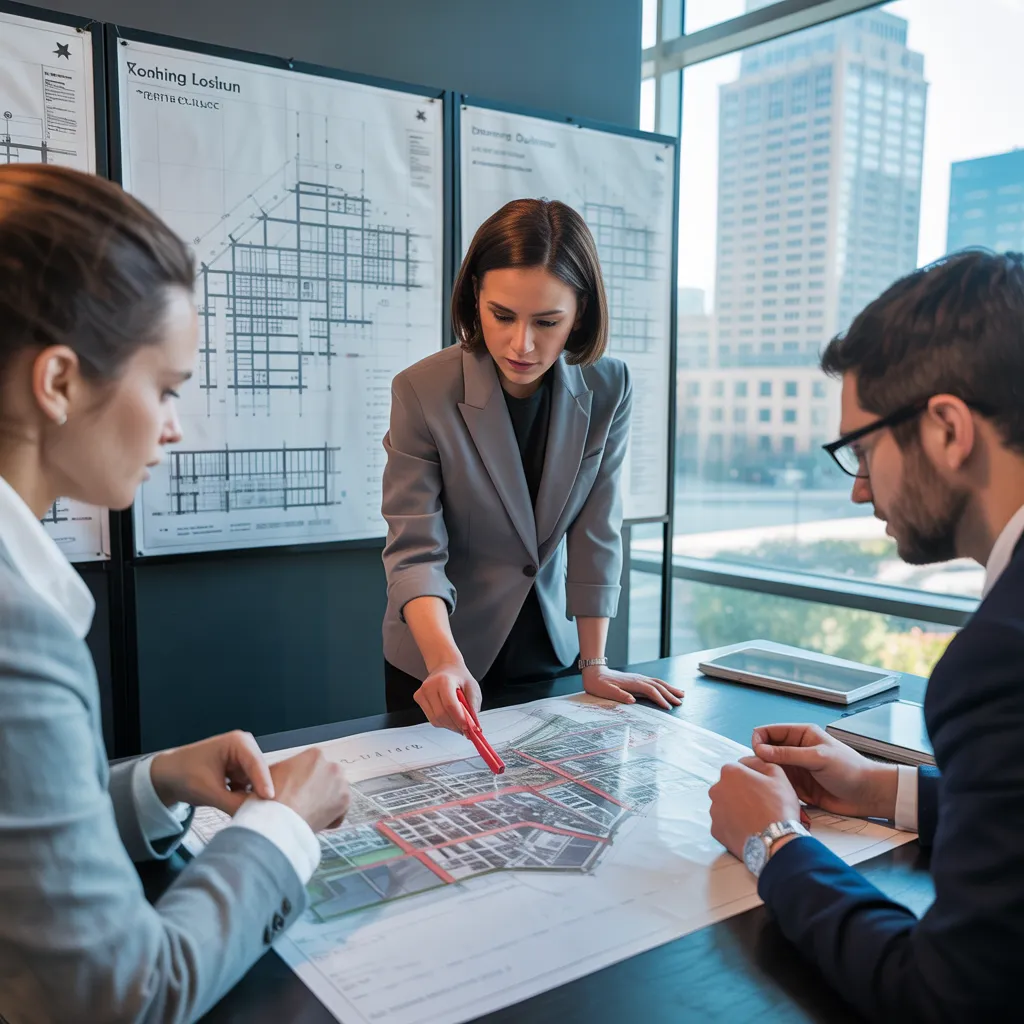
Discovering the Worth of Expert Architectural Design
Highlighting the value of professional architectural design is vital for elevating both practicality and visual appeal in any development. Professional architectural practice goes beyond basic appearance; it combines the principles of space planning, environmental sustainability, and structural integrity. By leveraging innovative strategies and a profound understanding of building materials, designers create spaces that are not only aesthetically impressive but also effective and purposeful.
Moreover, professional architects account for the particular characteristics of each design endeavor, including community needs, climate considerations, and local regulations. This holistic strategy assures that the architectural design is not only groundbreaking but also perfectly suited to its environment. They utilize cutting-edge technology, such as 3D modeling, to equip clients with a vivid understanding of the end result. Ultimately, choosing professional architectural design services results in long-term benefits, boosting both occupant satisfaction and the property's market value.
Key Benefits of Hiring an Architect for Your Design Project
Employing an architect for a design project offers significant benefits that improve both the workflow and the final outcome. Architects bring a wealth of expertise, making certain that projects follow local regulations and building codes, which can eliminate costly complications down the line. Their ability to create detailed plans and specifications works to streamline the construction process, limiting delays and miscommunication among construction teams.
Furthermore, architects are skilled in project management, coordinating all facets of the design and construction phases. This coordination ensures that timelines and budgets are adhered to, providing clients with peace of mind. Additionally, architects can identify potential challenges early in the design process, allowing for proactive problem-solving. Their knowledge of materials and construction methods frequently generates innovative solutions that improve effectiveness and sustainability. In the end, engaging an architect not only elevates the design project but also elevates the end-to-end experience for clients.
Improving Aesthetics and Functionality Through Architectural Knowledge
Architectural proficiency serves a vital role in elevating both form and function in design projects. By utilizing creative design approaches, optimizing space, and choosing eco-friendly materials, designers can develop spaces that are aesthetically pleasing and functional. This strategy not only addresses the expectations of clients but also supports ecological awareness.
Advanced Design Strategies
Creative design approaches revolutionize spaces by effortlessly merging beauty with practicality. Architectural professionals leverage creative strategies to address varied client requirements while elevating aesthetic value. By incorporating elements, tones, and structures that align with the setting, designers create harmonious spaces that reflect individual identities. Modern technology, encompassing 3D design tools and virtual environments, facilitates detailed previews, enabling clients to visualize concepts before implementation. Furthermore, incorporating eco-friendly methods ensures that designs are both visually appealing and environmentally responsible. By thoughtfully addressing illumination, volume, and movement, these approaches enhance user satisfaction and foster wellness. In the end, forward-thinking design cultivates a distinctive balance between functionality and elegance, enhancing the quality of residential and professional spaces.
Space Maximization Strategies
Optimizing space requires careful planning and design methods that improve both visual appeal and practicality. Professional architectural design services employ methods such as expansive floor plans, which do away with superfluous walls and cultivate an airy atmosphere. Dual-purpose furniture can be introduced to meet several needs, making certain that every square foot is put to optimal use. Furthermore, strategic positioning of windows and mirrors can produce the appearance of more expansive spaces, inviting natural light and improving visual dimension. Professionals also evaluate movement pathways, confirming that passage through a space is both natural and streamlined. Through focusing on these enhancement strategies, architects convert spaces into balanced settings that not only appear attractive but also address the functional requirements of their inhabitants.
Green Material Options
With a growing emphasis on sustainability, designers are turning more often to environmentally conscious materials that improve both visual appeal and performance. Incorporating materials like reclaimed wood, bamboo, and recycled metal not only reduces environmental impact but also adds unique character to spaces. These decisions foster a harmonious design, merging effortlessly with organic landscapes. Additionally, incorporating materials like low-VOC paints and energy-efficient glass elevates indoor environmental quality and optimizes heat management, resulting in improved health and comfort for building occupants. By making deliberate and informed material selections, architects develop stunning and inviting settings that connect deeply with sustainability-minded clientele. Such a philosophy encourages a more conscientious design approach, showing that visual appeal and eco-consciousness are fully compatible, while addressing the pressing need for environmentally friendly solutions in modern design.
The Way Technology Influences Contemporary Architectural Designs
Today, a wide range of technological advancements greatly influences architectural design, redefining how structures are conceived and constructed. Building Information Modeling (BIM) empowers architects to develop comprehensive 3D models, facilitating better collaboration between stakeholders and guaranteeing precision during the design process. Additionally, virtual reality (VR) and augmented reality (AR) enable clients to experience spaces before they are created, making design decisions more thoughtful and deliberate.
Sustainability has further been strengthened through technological innovation, with energy modeling programs enabling architects to enhance structural performance by analyzing energy demands and environmental consequences. Moreover, advanced materials and construction techniques, such as 3D printing and prefabrication, streamline the construction process, minimizing construction timelines and financial outlays. Drones and robotic systems are becoming more widely adopted for site evaluations and inspections, supplying instant information that boosts both accuracy and worker safety. Taken together, technology not only elevates creative expression but also ensures architectural designs fulfill current expectations for efficiency and environmental responsibility.
Frequent Myths Surrounding Architectural Services
Many individuals hold misconceptions about professional architectural services, assuming they come with an exorbitant price tag and that the role of architects is limited to building design. This limited perspective overlooks the broad spectrum of services that architects offer, including strategic planning and expert consultation. Understanding these misconceptions is essential for appreciating the true value of professional architectural knowledge.
Why Architectural Services Are So Expensive
The belief that architectural services carry excessively high costs frequently arises from misunderstandings about their value and scope. A great number of people link high fees with unaffordability, ignoring the enduring value that professional design delivers. Architectural services encompass more than just blueprint creation; they include thorough planning, adherence to regulations, and creative solutions. Through investing in these professional offerings, individuals commonly benefit financially through optimized resource utilization, minimized construction setbacks, and greater property appreciation. In addition, the complexity of a project can greatly impact costs, underscoring the need to appreciate that a carefully structured design can generate considerable monetary savings. At its core, treating architectural services as a strategic investment rather than a mere expenditure can transform outlooks and strengthen understanding of their significance.
Architects Exclusively Design Buildings
One widespread myth is that architects only concentrate on constructing buildings. In reality, their expertise extends far beyond mere structure. Architects are involved in urban planning, landscape design, and interior spaces, ensuring harmony between various elements. They collaborate with clients to create functional environments that enhance quality of life. Moreover, architects are involved in sustainable development, weaving green practices into their design processes. They frequently contribute to public areas, recreational parks, and neighborhood initiatives, meeting community demands and enhancing city infrastructure. In addition, architects offer essential guidance during renovation and restoration endeavors, maintaining historical value while meeting contemporary requirements. This multifaceted role showcases their importance in shaping not just buildings, but entire communities and environments.
Finding the Perfect Architect for Your Design Goals
How can one guarantee that the selected architect is suited to their unique creative vision? Choosing the ideal architect requires careful consideration of several factors. To begin, examining an architect's portfolio can provide insight into their creative style and skill set. This approach enables future clients evaluate whether the architect's prior designs reflects their personal style preferences.
Furthermore, effective communication is vital. Participating in early consultations gives clients the opportunity to articulate their ideas and expectations openly. The architect's willingness to listen attentively and respond considerately reflects their commitment to comprehending the client's vision.
Furthermore, examining references and testimonials from clients can demonstrate the architect's dependability and professional standards. It is essential to establish that the architect has expertise that aligns with the project's scope, whether residential or commercial. Ultimately, a well-matched architect can turn a vision into a tangible outcome, making the selection process critical for successful architectural outcomes.
Achievements in Architectural Design
Transforming visions into reality, compelling stories of architectural achievement demonstrate the remarkable impact of thoughtful planning and creative execution. A standout example is the reinvention of a century-old warehouse into a vibrant community center. Architects meticulously preserved original features while incorporating contemporary conveniences, producing a space that review article fosters collaboration and engagement.
A further remarkable instance featured a eco-conscious living space initiative that incorporated environmentally responsible materials and creative architectural methods. This strategy not only minimized environmental impact but also created a harmonious living environment, establishing a standard for future developments.
Within city environments, the transformation of underutilized spaces into lush green spaces demonstrates how strategic design can elevate the well-being of local communities. Each story reflects a dedication to elevating design and usability, showing how professional architectural services can elevate spaces and enrich the lives of communities. These accomplishments act as evidence of the profound influence of architecture in shaping environments for the communities of tomorrow.
Commonly Asked Questions
What Qualifications Should I Look for in an Architect?
When seeking an architect, one should prioritize qualifications such as a relevant degree, valid professional credentials, a diverse portfolio, strong communication skills, and expertise in the specific project type to ensure productive collaboration and positive results.
What Is the Standard Timeline for the Architectural Design Process?
The architectural design process usually spans anywhere from three to six months, subject to the complexity of the project, client requirements, and regulatory approvals. Effective communication and collaboration can expedite this timeline, ensuring the final design is delivered on schedule.
What Are the Fees Associated With Hiring an Architect?
The expenses involved in hiring an architect generally fall between 5% and 15% of the overall project budget, according to the project's complexity and overall scope. Further costs may be incurred for consultations, revisions, and specialized services across the design process.
Can Architects Help With Permits and Zoning Regulations?
Yes, architects can assist with permits and zoning regulations. Their knowledge ensures adherence to local laws, streamlining the application process and reducing potential delays, ultimately supporting the successful completion of a project.
What Is the Best Way to Communicate My Vision to an Architect?
To communicate effectively with an architect, one must gather visual materials, clearly express specific requirements, talk through design preferences, and be willing to consider expert advice. Transparency and cooperation encourage meaningful discussion, making certain the concept integrates with architectural skill.