Elevate Your Home With Expert Architecture Solutions
Upgrading a residence through expert design solutions involves more than just aesthetics. It requires a deep understanding of functional design and area construction standards. Working with an experienced architect can tackle typical issues while enhancing property worth. The process is systematic and thorough, guaranteeing that every detail matches with the homeowner's vision. Yet, many homeowners have difficulty to traverse this journey productively. What steps can they take to secure a successful working relationship?
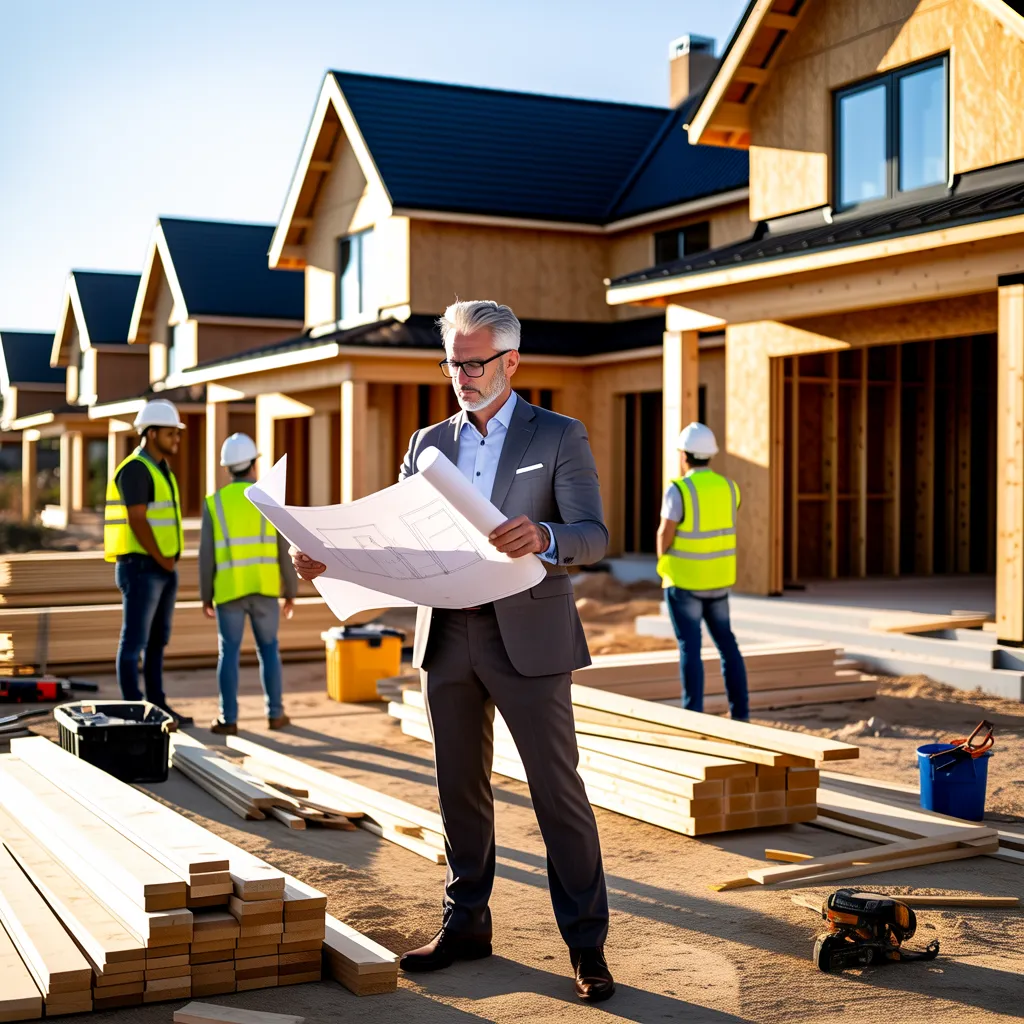
Standard Home Design Complications and Techniques Architects Resolve Them
What causes home design so challenging for many homeowners? The complexity of balancing aesthetic preferences with functional needs often overwhelms them. Homeowners often struggle with spatial constraints, budget limitations, and regulatory requirements, complicating the design process. Additionally, many are without the technical expertise needed to address structural considerations and building codes.
Architects constitute an vital role in easing these issues. Their background allows them to address the subtleties of design, confirming that a homeowner's goal agrees with concrete circumstances. Architects can present novel approaches to enhance space while respecting health requirements. They also participate in building integrated designs that express the resident's taste. By sharing perspectives into materials and building techniques, architects assist accelerate the choice-making phase. Ultimately, their competence converts a apparently challenging project into a partnered process, nurturing a equilibrated balance between originality and usefulness in residential design.
Reasons to Team Up With a Professional Architect
Engaging a qualified expert enhances the home design experience by merging technical expertise with the owner's perspective. Architects deliver a substantial expertise in architectural standards, construction codes, and eco-conscious methods, guaranteeing that the endeavor not only meets aesthetic goals but also follows legal requirements. Their skill in picturing and communicate complex ideas assists converting conceptual ideas into tangible designs.
Furthermore, architects can offer innovative solutions to design obstacles, improving layout and functionality. They also manage the intricacies of the construction process, collaborating with contractors and suppliers to ensure schedules and finances are adhered to. This expert supervision minimizes potential errors and reduces the pressure associated with home building or renovation. Ultimately, working with an architect results in a thoughtfully crafted, unified space that reflects the homeowner's character while boosting overall property value.
What Are the Essential Stages in the Design Process?
In what way does the design process progress from concept to completion? The journey commences with an initial consultation, where the architect and customer explore goals, requirements, and budget. This stage is critical for establishing a clear vision. Following this, the designer conducts site analysis, evaluating considerations like terrain, environmental conditions, and regulatory requirements.
Next, the design phase begins. During this time, sketches and digital models are created, allowing the client to picture the project. After the design is finalized, the architect prepares detailed construction documents, with specifications and drawings.
With required permits obtained, the project enters the construction phase. The architect regularly collaborates with contractors to ensure that the design is implemented correctly. Frequent on-site inspections and evaluations help maintain standards and compliance to the original vision. Finally, the project concludes in a inspection, confirming that the finished structure satisfies the client's requirements before the official handover.
How Can You Identify the Right Architect for Your Home?
Locating the perfect designer for a residence involves careful consideration and research. Potential homeowners should start by establishing their particular needs and financial plan, which will guide their search. Suggestions from friends, family, or real estate experts can offer useful leads. Online collections of work and reviews help in evaluating an designer's past projects and client satisfaction.
Next, potential clients should interview various candidates to measure their speaking approach, background, and strategy for design. It's vital to discuss project parameters and timeline expectations to guarantee alignment. Additionally, checking credentials and reviewing appropriate certifications and licenses can circumvent subsequent difficulties.
In conclusion, homeowners should believe in their instincts. The ideal architect should not only possess the necessary skills but also correspond to the homeowner's vision and ethics. This harmony promotes a cooperative setting, ultimately achieving a productive alliance in fashioning a dream home.
Methods to Articulate Your Ideas With Precision
Expressing a direction for house design effectively is important for a strong relationship between homeowners and architects. To accomplish this, residents should commence by clearly identifying their needs and preferences. Assembling a mood board with visuals, tones, and materials can help expressing design wishes. Additionally, detailing operational requirements, such as room size and layout, ensures that the professional understands tangible factors.
Home owners should also take part in candid conversations, encouraging inquiries and input to refine their vision. Regular check-ins during the design process promote teamwork and openness. Employing clear expression to convey ideas and concerns can prevent misunderstandings and help match expectations.
To summarize, valuing the architect's competence provides a more dynamic exchange of ideas. By combining personal vision with professional insight, homeowners can develop a constructive relationship that generates a beautifully designed space reflecting their aspirations.
How to Budget for Architecture Solutions
As you start a home design project, determining a budget for architecture services is critical to prevent financial strain later. Homeowners should begin by exploring typical fees in their area, which can vary based on the project's complexity and the architect's experience. It is sensible to allocate a percentage of the overall project cost specifically for architectural services, typically ranging from 5% to 15%.
Next, potential clients should assess the breadth of services demanded—whether they want full design and project oversight or simply preliminary consultations. Participating in open dialogue with potential design professionals regarding their cost arrangements can shed light on expenses.
Additionally, homeowners should consider possible changes and unforeseen costs, building a buffer into the budget. By clearly defining their budget limits upfront, customers can ensure they choose an design professional who matches their goals while remaining within their financial boundaries.
Commonly Asked Queries
What Varieties of Structural Style Should I Pick for My Home?
Homeowners may pick from diverse building designs, encompassing modern, traditional, colonial, Mediterranean, and contemporary. Each style professional advice delivers unique aesthetics and performance, allowing individuals to demonstrate personal taste while accounting for regional influences and environmental factors.
What Length of Time Does the Architectural Process Normally Take?
The design undertaking typically requires numerous months, based on complexity factors, design approvals, and local restrictions. Elements such as client direction and construction schedules can also determine the schedule significantly over the full process.
Can Building designers Support With Green Construction Solutions?
Architects can indeed provide support for sustainable design options. They integrate environmentally responsible materials, energy-efficient systems, and innovative layouts, guaranteeing projects reduce environmental impact while enhancing functionality and aesthetic appeal, matching with clients' sustainability goals successfully.
Which Requirements Would I Consider in an Design Professional?
When selecting an building designer, one should assess their education, licensure, background with comparable projects, body of work reflecting their design philosophy, and understanding of local regulations. Speaking and listening abilities and client testimonials also contribute significantly in the choosing process.
In What Ways Do Design Experts Navigate Zoning and Permit Matters?
Architects handle zoning and permit issues by conducting thorough research on regional requirements, preparing necessary documentation, and communicating to municipal authorities. Their knowledge ensures adherence, expediting the permitting timeline for client projects efficiently.